

Sattvic Pakoda Curry: Sattvic Pakoda Curry recipe: How to make protein-rich chana dal pakodas in a creamy coconut, tomato and cashew gravy for a wholesome homemade meal
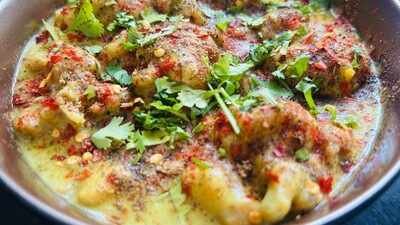
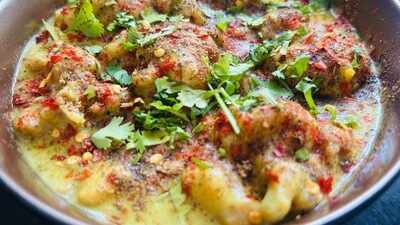
Few meals feel as comforting as soft, spiced dumplings in a creamy gravy, served over hot rice. This recipe comes from the Isha Foundation’s website, which describes it as a comforting dish of protein-rich chana dal pakodas, available in a crispy fried or a healthier steamed version, simmered in a rich, creamy coconut and tomato gravy. The post is linked to a dinner that students of Isha Samskriti, part of Sadhguru Gurukulam, prepared and offered to everyone at the Isha Yoga Center. Here is how you can make it at home.
Why this curry is worth trying
Pakodas are usually a tea-time snack, but here they become the centre of a proper meal. Chana dal is filling and rich in plant protein, so the curry satisfies without feeling heavy. The Isha website presents it as a sattvic recipe made with simple, wholesome ingredients. In yogic tradition, “sattvic” food is usually understood as fresh, simple and light on the body. The method here lists no onion or garlic, and relies instead on ginger, whole spices and fresh herbs for flavour.
Prepare the tomatoes
Begin with the base of the gravy. Drop the tomatoes into boiling water and let them blanch for about five minutes, until the skins loosen. Take them out, peel them and blend the flesh into a smooth paste. It may feel like an extra step, but peeling gives you a silkier gravy, free of tough bits. This paste brings the curry its colour and its gentle tang, so keep it aside until you are ready to cook.
Make the pakoda batter
Soak the chana dal in water for two hours, then drain it. Grind it coarsely with red chillies, fennel seeds and ginger, so the mixture keeps a little texture and does not turn into a paste. Move it to a bowl and mix in salt, turmeric, grated carrot, fresh coriander and curry leaves. The carrot adds a touch of sweetness and moisture, while the fennel and curry leaves give the pakodas a fragrant, slightly earthy flavour that sets them apart from the usual besan version.
Shape and cook the pakodas
Shape the mixture into small, even balls so that they cook uniformly. For crisp, golden pakodas, fry them in hot oil until they turn a deep golden colour. For a lighter dish, steam them until they are cooked through and firm. Isha’s post offers both options, so you can pick whichever suits your mood. The fried ones hold their shape a little better, while the steamed ones soak up more of the gravy. Set them aside while you build the sauce.
Build the gravy
Heat a little oil in a pan and add cinnamon, cloves and a bay leaf, letting them release their aroma. Stir in the tomato paste along with turmeric, red chilli powder, coriander powder and garam masala. Cook patiently until the raw smell fades and the spices become fragrant. This stage gives the curry most of its flavour, so do not rush it. Stir now and then so that the masala does not stick to the bottom of the pan.
Simmer, add the pakodas and finish
Pour in the coconut milk and let the gravy simmer on low heat for about ten minutes, so the flavours come together. Gently slide in the pakodas, taking care not to break them, and stir in the cashew paste, which gives the curry its creamy body. Cook for another five minutes, then top with fresh coriander. Serve hot with rice. Adjust the salt and spice to your taste, and add a splash of warm water if the gravy thickens too much.
Serving and storage tips
This curry is best eaten fresh, while the pakodas are soft but intact. If you are making it ahead, keep the pakodas and gravy separate and combine them just before serving, so the dumplings do not turn mushy. Plain rice or jeera rice works well, and a simple cucumber salad adds freshness on the side. Leftovers can be refrigerated in an airtight container and reheated gently on low heat within a day or two.