

Leo Tolstoy: Quote of the day by Leo Tolstoy: “It’s not given to people to judge what’s right or wrong. People have eternally been mistaken and will be mistaken, and in nothing more than in what they consider right and wrong”
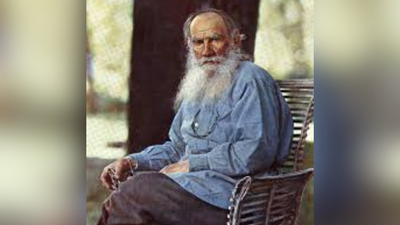
Leo Tolstoy was a Russian writer, thinker, and social critic, born into a noble family. He is most popularly known for the novels War and Peace and Anna Karenina, which are counted among the greatest ever written.In his later years, he became a deeply moral and spiritual writer who preached nonviolence, and his ideas influenced people such as Mahatma Gandhi, and his words continue to resonate even today.He once talked about a profound idea that every one of us carries a small judge inside our head. Before we finish reading a headline, scroll past a stranger’s post, or hear a neighbour’s story, that judge inside of us has already announced a verdict: right, wrong, good, bad, deserving, undeserving.It is quite natural; without some sense of right and wrong, how would we live together at all?But there have been times when we were misjudged and ended up in embarrassment.Let us read further to know what he exactly meant.
Quote of the day
It’s not given to people to judge what’s right or wrong. People have eternally been mistaken and will be mistaken, and in nothing more than in what they consider right and wrong
Leo Tolstoy
What does the quote mean?
Leo Tolstoy does not say whether right and wrong exist. It says human beings are poor judges of them. We see only a small piece of any story. Our views are influenced by upbringing, fear, habit, and self-interest, and there are plentiful examples in the past when people once felt certain about what later seemed wrong. The line asks for humility, and the words “in nothing more than” suggest we are most mistaken exactly where we feel most confident.It is also not a license to say “nothing matters.” Tolstoy himself later wrote with great moral passion, so it is best not to go against conscience.These words were written by Leo Tolstoy, according to Goodreads, and originally come from his novel War and Peace, originally written in Russian, and the English translations differ from version to version, but the spirit of his message has hardly aged.
Why does it matter today?
We live in an age of social media and instant verdicts. More often than not, a short video or a viral piece of media can send us into a frenzy of being judges, by just seeing one side of the story.But think of how courts work. They take time, hear both sides and allow appeals, because even trained people can get it wrong. Tolstoy’s line asks us to bring a little of that patience into daily life. Before judging, we can ask: Do I know the whole story? Would I be fair if this were me?And it is all about just listening before concluding, and being ready to say, “I was wrong.” That habit makes arguments mild and relationships stronger.