
Before you stop your child from playing in the mud, here’s what a pediatrician wants every parent to know |
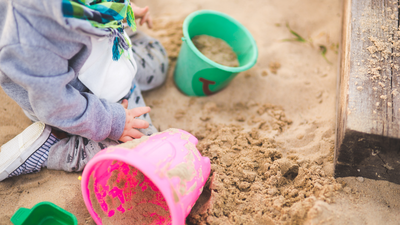
Every parent wants their child to maintain distance from mud. “Come and wash your hands now!” These warnings come from a place of concern- after all, who wouldn’t want to protect their child from germs? Some parents even find it relieving that their child is spending time indoors, because this way they won’t have to deal with nagging them about getting dirty.But what if, instead of protecting your child, this instinct is doing the exact opposite? According to a pediatrician, constantly preventing children from playing in the mud or spending time outdoors may actually deprive their developing immune system of the training it needs. In simple words, keeping children away from every germ isn’t necessarily making them healthier- it may be preventing their immune system from learning how to respond appropriately.
6 Jul 2026 | 14:01
What factors did you consider, or would consider, before choosing the right school for your child?
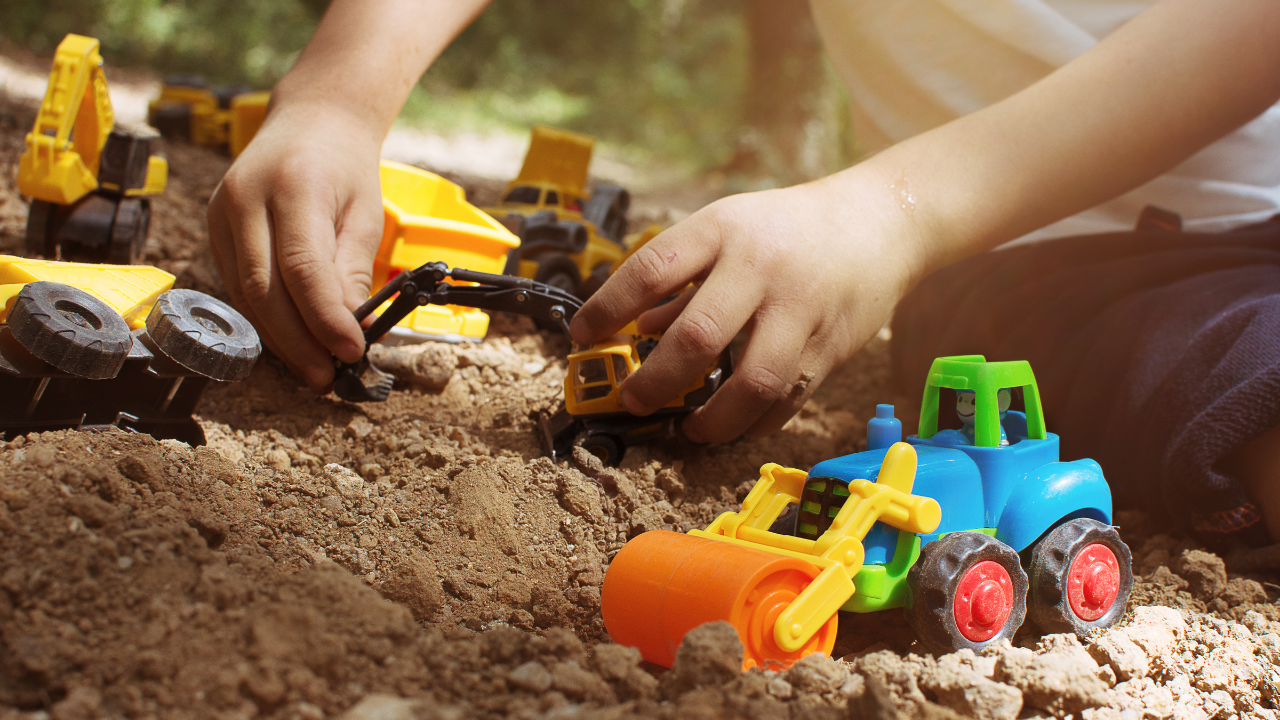
Image: Canva
Your child’s immune system needs practice
The pediatrician explains that our immune system contains special cells called T cells, which work like soldiers guarding the body. Their job is to identify what is dangerous and what is harmless. However, these “soldiers” are not born knowing everything. During childhood, they learn by interacting with the environment.“When children go outside, play in the garden, or spend time in the mud, they are exposed to a wide variety of microbes. This gives the immune system gradual training, helping it understand what it should react to and what it can safely ignore,” the pediatrician explains. This process is a normal part of healthy immune development.
Why being “too clean” can backfire sometimes
Children who have very little exposure to everyday microbes may miss out on this important “immune training.” Eventually when such a child is exposed to an “allergic reaction,” their immune system may become overly sensitive to even harmless substances. This can happen when they start school or begin interacting with larger groups. Instead of reacting only to harmful germs, the immune system may begin reacting to pollen, dust mites, pet dander, or other harmless particles, increasing the likelihood of allergies.
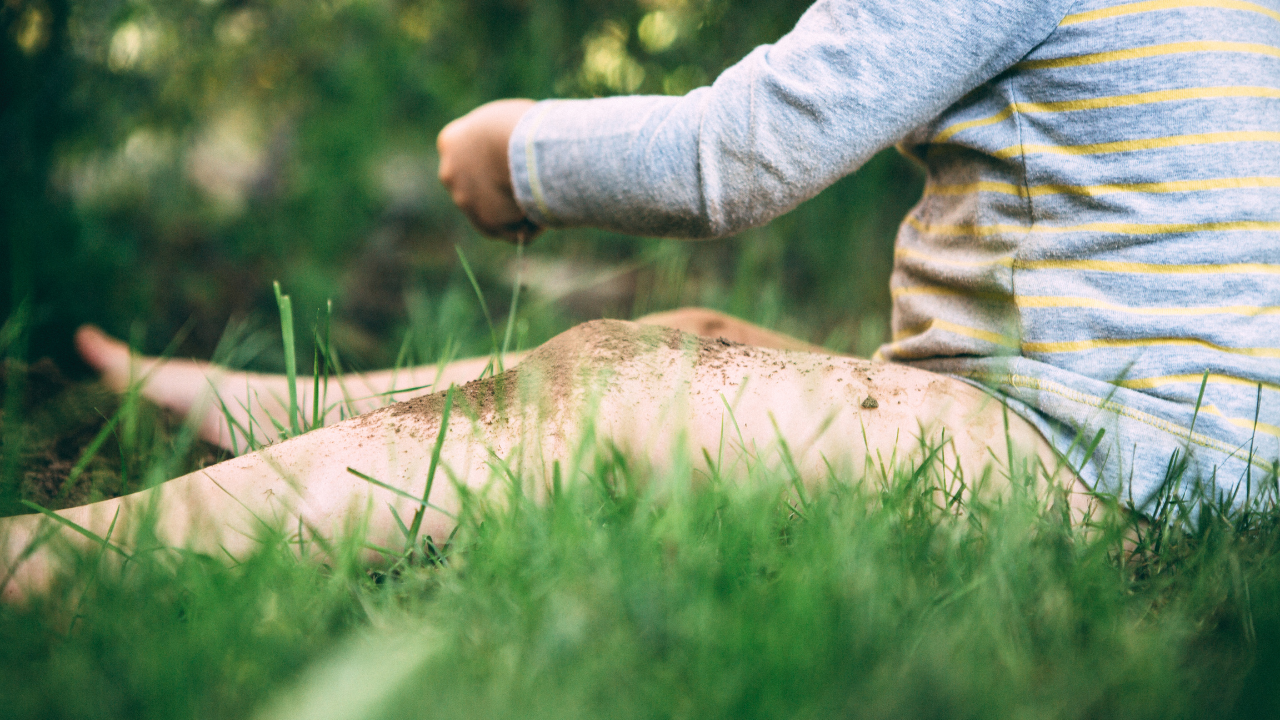
Image: Canva
The pediatrician points to research suggesting that children raised in over-sanitized environments have a comparatively higher risk of developing conditions such as allergies, eczema, and asthma. On the other hand, children who grow up in traditional farming households often have lower rates of these allergic conditions. One explanation is that these children are naturally exposed to a wider variety of microbes from an early age. This repeated exposure helps their immune system mature and develop better tolerance toward harmless substances.
This does not mean hygiene should be ignored
The pediatrician is quick to clarify that encouraging outdoor play is not the same as abandoning hygiene. “Common-sense hygiene is non-negotiable,” the expert says.And most importantly, instead of worrying every time your child comes home with muddy shoes and dirty clothes, think of it as a part of them growing up and making beautiful memories.