
A Delhi teenager helped develop a low-cost filter that turns ordinary classroom fans into air purifiers; his Project Vayu has reached around 10,000 schoolchildren and earned him a 2026 Diana Award
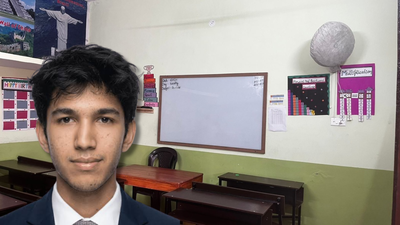
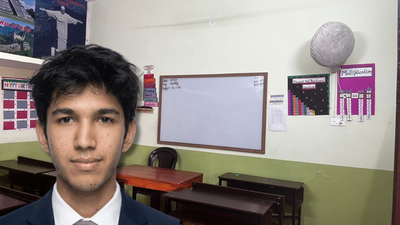
A Delhi teenager has found a way to make classroom air filtration more affordable by turning an ordinary ceiling or table fan into an air purifier. His initiative, Project Vayu, has developed a low-cost filter that can be fitted onto existing fans, offering schools an alternative to expensive standalone air purifiers.The project has earned Krish Aggarwal a place on the 2026 Diana Award Roll of Honour. According to the award’s official website, Aggarwal co-founded Project Vayu to address indoor air pollution in schools where children may not have access to air-cleaning systems. The initiative has distributed filters across underprivileged schools in Delhi and benefited more than 10,000 students.According to the official website of Project Vayu, Krish Aggarwal and Samarth Meattle are its founders. It also acknowledges the early contribution of Savya Meattle, who helped establish the project’s original direction before leaving to study at Stanford University.
How the idea behind Project Vayu took shape
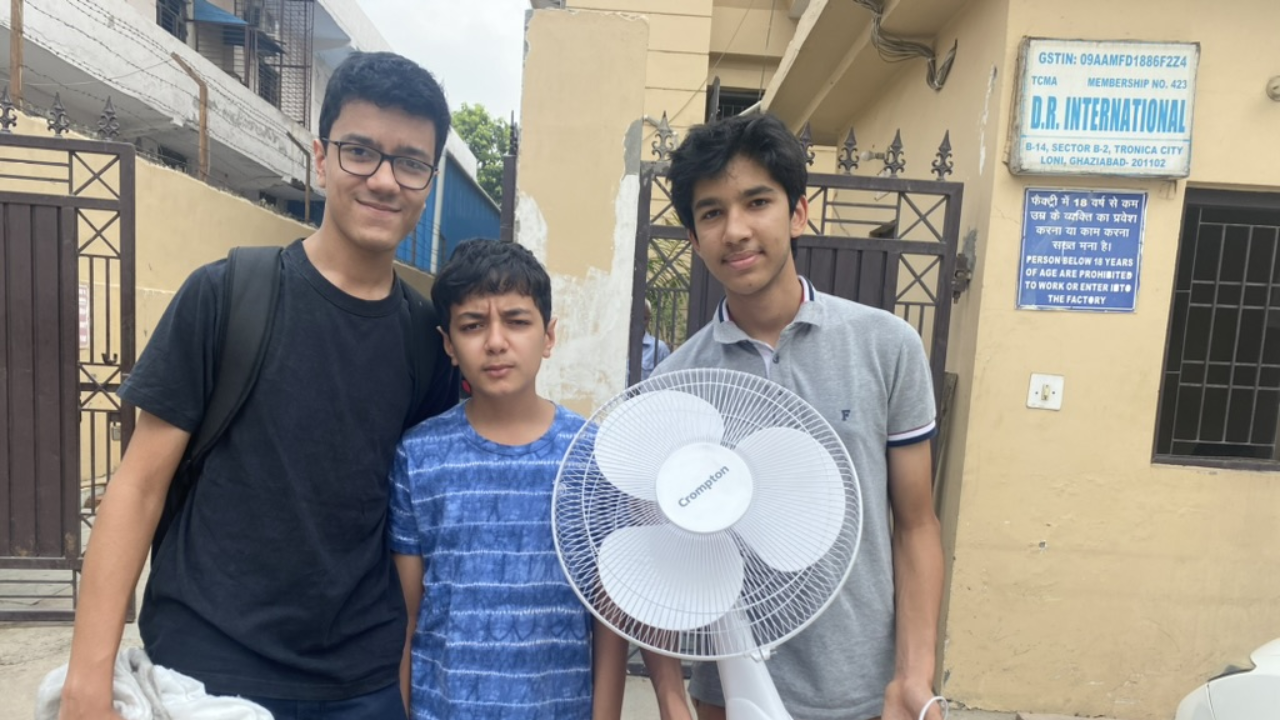
Image courtesy: Project Vayu
According to Project Vayu’s website, the initiative began with a question: “If we can build a filter that’s cheap, effective, and installs in seconds, why isn’t every classroom in Delhi using one?” The team was concerned that children spend several hours a day in classrooms where polluted outdoor air can enter without being filtered.Delhi’s air quality can deteriorate sharply, with fine PM2.5 particles entering classrooms that have no filtration systems. The founders wanted to develop a solution that did not require schools to purchase expensive air purifiers or replace their existing fans. They worked with Hollingsworth & Vose, a global filtration manufacturer headquartered in Massachusetts, to develop a filter using electret media.According to Project Vayu, the collaboration involved joint research and development, and the company supplied 700 metres of filter media for the initiative. The project also says it holds copyright on the filter design.
How a regular fan becomes an air purifier
The Vayu filter uses electrostatically charged fibres to attract and capture fine particulate matter, including PM2.5. Unlike a conventional purifier, it does not need a separate motor or a new appliance. It is designed to work with standard wall and table fans.The filter has an elastic lining that fits around the fan grille. According to the project’s website, it can be installed in less than a minute without tools, adhesive or technical expertise. When the fan is switched on, the airflow inflates the filter into a balloon-like shape, increasing its filtering surface area.Project Vayu says the expanded filter provides more than five square feet of surface area, compared with approximately 1.4 square feet on the face of a standard fan. Air passes through the filter media while particulate matter is trapped.The project has also published results from a closed-room test. According to its website, the test was conducted in a room of approximately 168 square feet, where the starting PM2.5 concentration was 158 micrograms per cubic metre. After the filter had been running for 60 minutes, the reading fell to 11 micrograms per cubic metre. The project describes this as a reduction of more than 90 per cent.
Filters cost around ₹140, but schools receive them free
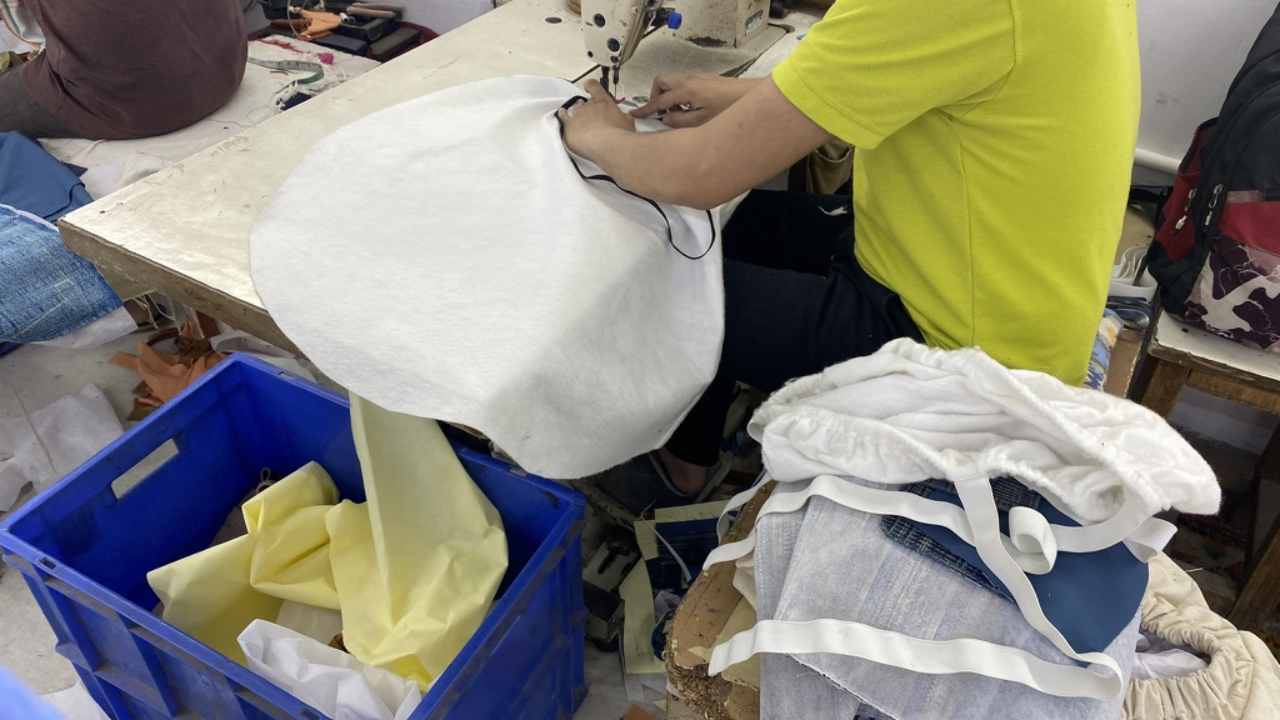
Image courtesy: Project Vayu
Cost was a central consideration in the design. Project Vayu says each filter costs approximately ₹140 to make, including the filter media, elastic lining, stitching and transport. The team supplies the filters to schools free of charge and also provides a fan if a classroom does not have one. The website says its pilot covered 295 classrooms, where 602 filters were installed, reaching more than 8,000 students. It also says the team is preparing to expand the initiative to 45 more schools across New Delhi.
What the 2026 Diana Award recognises
The Diana Award was established in memory of Diana, Princess of Wales, and recognises young people for social action and humanitarian work. The organisation’s 2026 Roll of Honour describes Project Vayu as an effort to make clean air more accessible to children in schools with limited resources.The award profile also highlights Aggarwal’s work in promoting evidence-based environmental solutions and youth-led climate action. It recognises the project’s use of an affordable technology to address a problem that affects children in their everyday school environment.