


When ‘natural’ turns risky: Salmonella and other harmful microbes detected in moringa leaf powder products

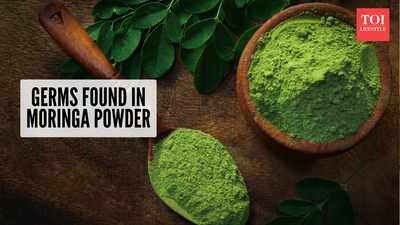
Moringa leaf powder is a very well-known natural health booster. It is added to smoothies, teas, and supplements for its vitamins and minerals. But recent investigations by the CDC and FDA show a troubling side. Some moringa leaf powders were contaminated with harmful germs, including Salmonella, E. coli, and parasites. These microbes can affect health, especially when the powder is eaten raw. Here’s what we need to know about the contamination and how it affects our health.
What was found on contaminated moringa leaves
Tests linked several moringa leaf powder products to Salmonella Richmond, a bacteria that causes food poisoning. Health experts also warn that poor handling of dried leaves can allow E. coli and parasites to survive. These germs usually come from contaminated water, soil, or unhygienic processing. Drying the leaves does not always kill them, especially if safety checks are weak.
The outbreak that raised alarm bells
Between May 12 and September 4, 2025, 11 people across seven US states fell sick with Salmonella Richmond. Three required hospital care. No deaths were reported, but experts believe many more cases went uncounted. Most affected people had consumed powdered dietary supplements containing moringa leaf powder.
How Salmonella affects the human body
Salmonella attacks the gut. Symptoms usually start within six hours to six days after eating contaminated food. Common signs include diarrhea, fever, stomach cramps, and vomiting. For older adults, children, and people with weak immunity, the infection can spread to the blood and become life-threatening. Even healthy adults can feel drained for weeks after recovery.
The lesser-known risks: E. coli and parasites
E. coli can cause severe stomach pain and watery or bloody diarrhea. Some strains may damage the kidneys, especially in children. Parasites, though harder to detect, can live in dried plant products for long periods. They may cause long-lasting digestive issues, weight loss, and nutrient deficiencies. These effects often appear slowly, making the source hard to trace.
Why powdered supplements are more vulnerable
Powders have a large surface area, which helps germs spread evenly through the product. Many people add moringa powder directly to food without cooking it. This skips the heat step that could kill bacteria.
What this means for everyday consumers
“Natural” does not always mean “safe.” Leaf powders need the same care as any other food. Buying trusted brands, checking recall notices, and avoiding raw consumption during outbreaks can reduce risk. If symptoms like fever and severe diarrhoea appear after using such supplements, medical advice should be sought quickly. Early care often prevents complications.Disclaimer: This article is for general awareness and information only. It does not replace medical advice, diagnosis, or treatment. Anyone experiencing symptoms after consuming dietary supplements should consult a qualified healthcare professional promptly.


