

Bangladesh Farming: Farmers in Bangladesh grow vegetables on floating gardens made from water hyacinth: How an unusual farming method survives devastating floods
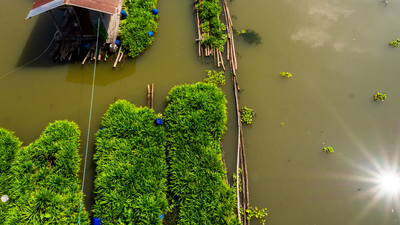
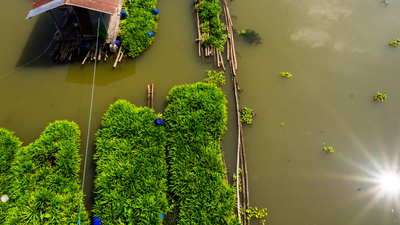
Imagine waking up one morning to find your farm underwater. Not for a day or two, but for months. The fields you planted last year are gone, the road is a river, and your family still needs to eat.For millions of people, that is not a thought experiment. It is the monsoon.Bangladesh is also one of the countries most at risk from climate change. It is situated on the world’s largest river delta, and during the monsoon season, a huge share of its land goes underwater.But farmers in the lowlands have found a way to keep growing food through the floods. They build floating rafts out of water hyacinth and grow their crops on top of them. It is a traditional method, and it could now help other countries facing the same kind of flooding.Let’s read further to know more about it
Farmers in Bangladesh grow vegetables on floating gardens
When the monsoon arrives in southern Bangladesh, the farmlands disappear. According to Down To Earth, about 80 per cent of the country is floodplain, and when the rivers swell, floods can swallow as much as two-thirds of it. In the south, farmland can stay waterlogged for about seven to eight months, according to a Griffith University blog.So, the country’s farmers have found a way to grow crops on water. The practice is called dhap, or baira. According to a Down To Earth report, farmers gather water hyacinth or paddy stalks, pile them in thick strips on still water, and press them into shape by stamping with their feet.Building begins in June or July, with new layers added every eight to ten days. The rafts are usually a few metres wide and eight to ten metres long, topped with soil and cow dung. As the plants rot, the crops are fed. Commonly grown vegetables include okra, gourds, spinach and eggplant, according to an Ohio State University news.This is not a new idea. Down To Earth says people in parts of Gopalganj, Barisal and Pirojpur districts in Bangladesh have built floating gardens for ages, some say for 300 to 400 years.
The United Nations has recognised this unique farming practice
On 15 December 2015, the UN’s Food and Agriculture Organization named it a Globally Important Agricultural Heritage System, one of 34 in the world. FAO’s Maria Helena Semedo said traditional farmers “can offer real solutions for food security” when given proper policies and investment, according to The Daily Star.