


Fire safety can’t be an afterthought: Essential measures every builder must prioritise to ensure safety in apartments |
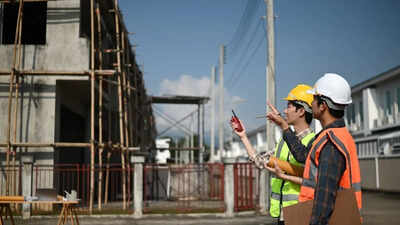
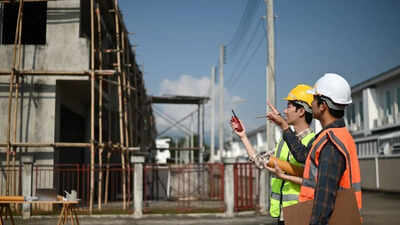
In recent years, several fire incidents in residential towers, commercial complexes, and mixed-use developments across India have once again brought fire safety into sharp focus. As cities continue to grow vertically and high-rise living becomes increasingly common, ensuring robust fire protection systems is no longer just a regulatory requirement; it is a fundamental responsibility of developers to do all the things required to ensure fire safety across the residential and commercial buildings. Modern residential projects house hundreds and sometimes thousands of residents within a single complex. In such conditions, a fire emergency may develop into something more serious if there is no prevention mechanism or evacuation system set up. In this case, the builder is the person who is responsible for making communities safer through the incorporation of fire safety in every aspect of building.
Prioritising fire safety from the design stage
The foundation of effective fire protection begins during the planning and design phase. Fire safety should never be treated as an afterthought or a compliance checklist completed before project handover. Instead, it must be embedded into the overall design philosophy of a development. The planning and designing should keep various important aspects in mind, including fire safety. The layout of buildings must enable rapid exit, reduced smoke accumulation, and ease of entry for rescue personnel. Proper spacing between buildings, fireproof building materials, places of safety, and proper planning of escape routes can greatly reduce these risks.As Gaurav K Singh, Founder & Chairman, Womeki Group, explains:“For a high-rise developer, fire safety is a non-negotiable responsibility, not a checkbox. From the design stage, we embed fire-rated materials, automatic sprinkler systems, addressable detection technology, and IoT-enabled alarms that connect directly with emergency services. Structurally, every tower must have clearly marked dual staircase exits, adequate water reserves and power-backed fire pumps to ensure zero system failure during an emergency.” This proactive approach ensures that safety is built into the structure itself rather than being dependent solely on operational measures later.
Installing advanced fire detection and suppression systems
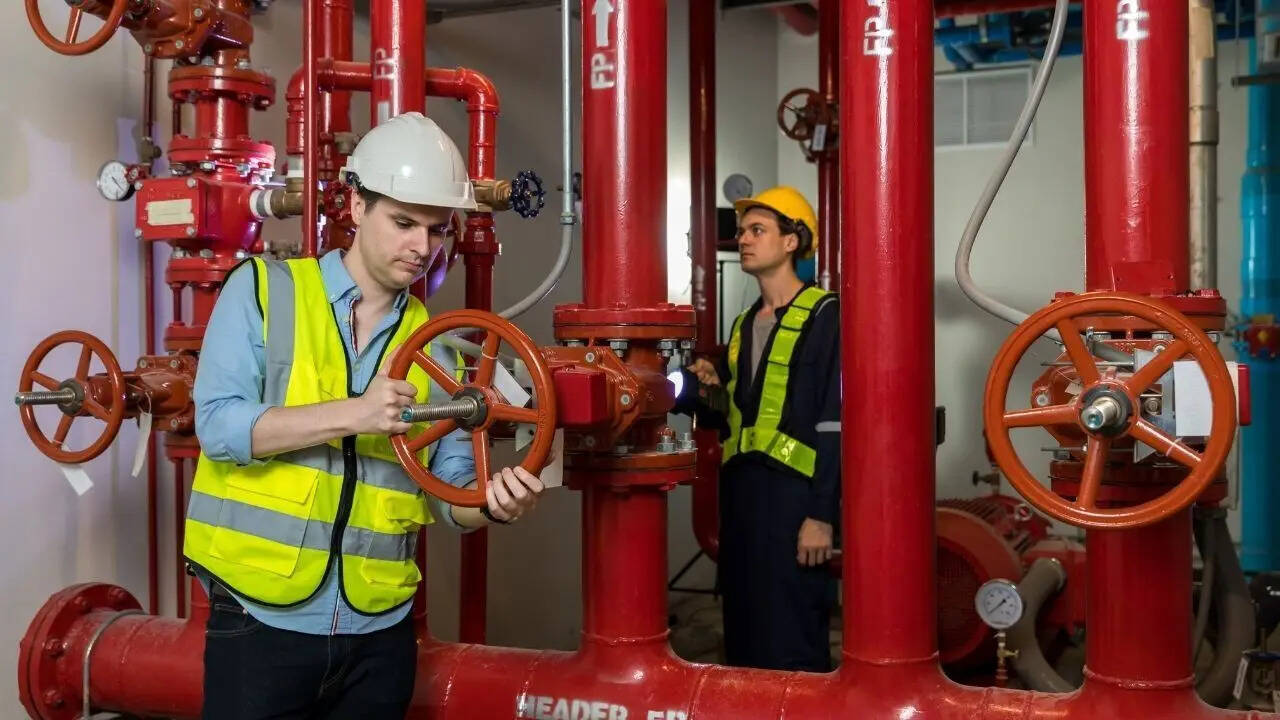
Image Credit: Canva
Early detection is often the most important factor that determines how effectively a fire can be controlled. Residential projects should therefore be equipped with comprehensive fire detection systems that can identify smoke, heat or fire at the earliest stage, which ensures fire safety for people residing in the building or area.Modern developments increasingly incorporate smoke detectors, heat sensors, addressable detection technology, fire alarm systems and integrated communication systems that immediately alert residents and emergency teams.In addition to the detection systems, other means of suppressing a fire include installing automatic sprinkler systems, fire hydrants, wet fire risers, hose reels, and fire extinguishers in the building. This will enable the containment of the fire from spreading to all the floors.Jitender Yadav, Director, Roots Developers, highlights the importance of combining technology with thoughtful planning:“Ensuring fire safety in high rise developments is about moving mere compliance to a philosophy of ‘life first’ engineering. Today, reputable builders prioritise compartmentalisation, using fire rated doors and materials to contain a blaze within its origin for up to four hours. As developers, we integrate sophisticated active systems including automated sprinklers, cross floor smoke detectors and high pressure wet risers fed by massive redundant water tanks.”
Strengthening evacuation infrastructure
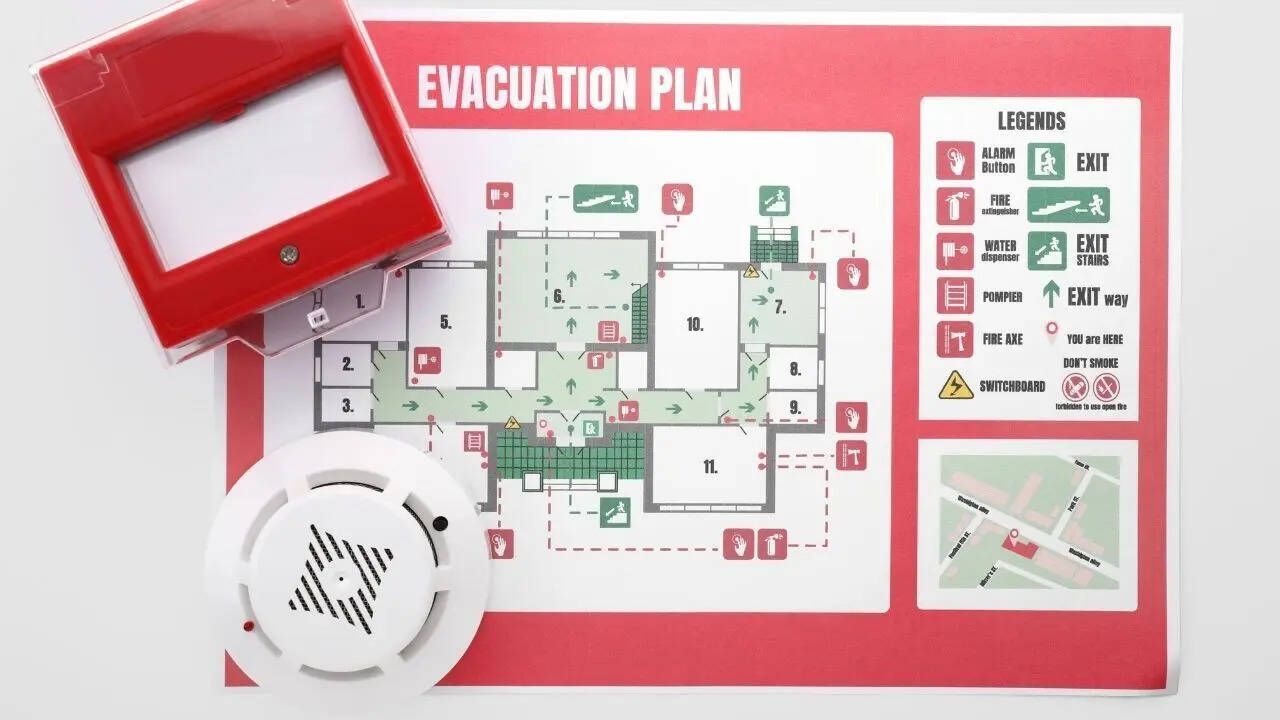
Image Credit: Canva
Even the most advanced fire-fighting systems cannot eliminate every risk and danger related to fire outbursts. Safe and efficient evacuation remains one of the most critical aspects of fire safety planning.Every residential building should include:
- Multiple escape routes
- Dedicated fire staircases
- Designated refuge areas
- Emergency lighting systems
- Clearly marked exit pathways
- Fire-resistant staircases
- Fire-resistant evacuation corridors
- Unobstructed emergency exits
- Designated assembly points
- Fire alarm systems
- Public address systems
- Easy access for fire tenders
- Accessible routes for emergency responders
Mr. Harsh Jagwani, Managing Director, Notandas Realty, emphasises the importance of evacuation-focused design:“Our buildings incorporate dedicated fire staircases, separate evacuation routes, refuge areas, and fire-rated service cores, all designed to facilitate safe and efficient evacuation during an emergency. In addition, we install comprehensive fire protection systems, including fire hydrants, automatic sprinkler networks, smoke and heat detection systems, fire alarm systems, and emergency response infrastructure that enable early detection and swift action when required.“In high-rise developments, refuge floors and designated assembly points become particularly important as they provide temporary safe spaces for residents until rescue operations can be completed. These types of spaces must be included in every building to ensure their residents and people inside the building at that time have a place to stay at the time of any emergency.
Ensuring compliance with fire safety regulations
Compliance with the National Building Code (NBC), local fire department guidelines and municipal regulations remains essential for every residential project. Every builder must obtain all necessary approvals and Fire No Objection Certificates (NOCs) before occupancy.However, compliance should be regarded as the minimum requirement instead of the end objective. As fire risks change and technology evolves, developers should always improve fire safety features above and beyond the requirements set by the laws. Regulations should never be treated as a formality. Builders of both commercial and residential buildings should take regulations seriously and always strive to comply with all safety requirements.Inspection of fire pumps, sprinklers, hydrants, fire alarms, and fire power backup equipment should never be ignored as well. Failure to do so will surely mean malfunctioning equipment when the need arises.
Maintaining access for emergency services
One commonly overlooked aspect of fire safety is ensuring smooth access for fire-fighting vehicles and emergency responders.Residential projects should have adequately wide internal roads, designated fire tender movement zones and unobstructed access points. Parkings, landscaping items, or any kind of temporary structures should not block the emergency access routes. These emergency access routes provide rapid entry to the firefighters and other rescue personnel, ensuring quick service and protecting both life and property.
Conducting regular fire drills and resident awareness programmes
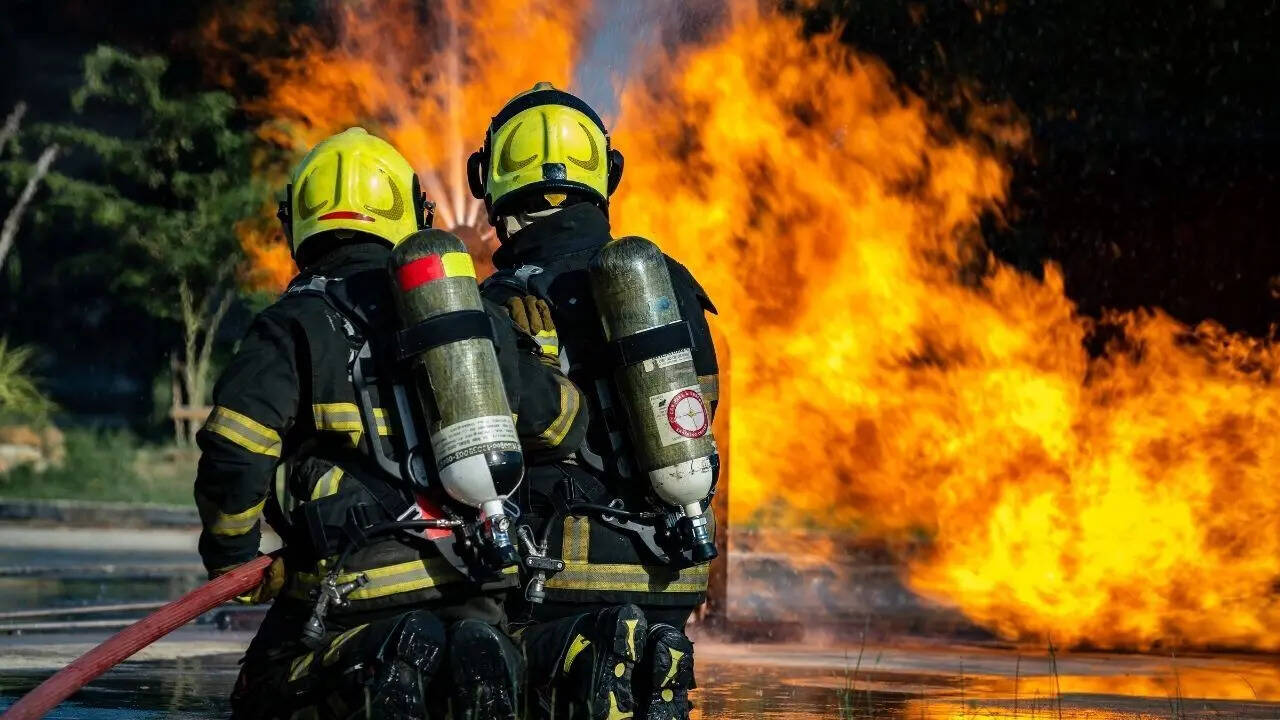
Image Credit: Canva
But even the most efficient infrastructure is of little value if the inhabitants lack knowledge regarding the steps to take during an emergency situation. Thus, fire safety involves not only engineering techniques but also the need for constant alertness and preparation. The people must be informed of the proper safety techniques that they must practice during an emergency.The builders and welfare organisations of the premises must regularly organise fire drills for their residents. It would also be ideal to provide information on the proper use of fire extinguishers and other equipments. Anjana Sastri, Director – Marketing, Sterling Developers, says:“Safeguarding high-rise buildings from fire risks requires a comprehensive and integrated approach and it needs to be considered as more than just a compliance requirement. It is about preparation, consistency and responsibility – especially in cities where vertical living and working are now the norm. Our fire safety framework is designed to align with the highest standards of safety; incorporating well-designed spaces, smoke detectors, fire alarm systems, sprinkler systems, emergency evacuation routes and communication systems, which aid in quick response and safe evacuation during emergency situations. Additionally, regular maintenance and inspections, fire safety drills and resident awareness programmes are important to support effective emergency response.”
Leveraging smart technology for better safety
The future of fire safety lies in smart monitoring and predictive systems. IoT-enabled sensors, automated alerts, centralised monitoring platforms, and real-time diagnostics can help identify issues before they become emergencies.Connected systems can instantly notify facility managers, emergency teams, and residents when smoke, heat, or equipment malfunctions are detected. Such technologies are increasingly becoming standard features in premium residential developments and are expected to gain wider adoption in the coming years.The recent fire incidents witnessed across various cities serve as a reminder that fire safety cannot be compromised at any stage of a residential project. Effective fire protection requires a combination of intelligent design, robust infrastructure, advanced technology, regulatory compliance, regular maintenance and resident awareness.As residential developments continue to grow taller and denser, builders must move beyond viewing fire safety as a mandatory requirement and instead embrace it as a long-term commitment to protecting lives and property. Projects that prioritise prevention, preparedness and continuous improvement will not only meet safety standards but also create greater confidence among homebuyers and residents.