

Why routine and structure matter in early childhood
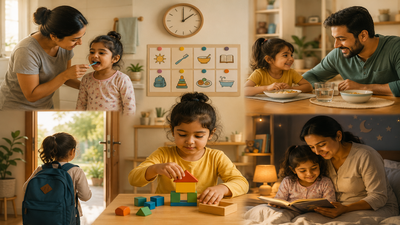
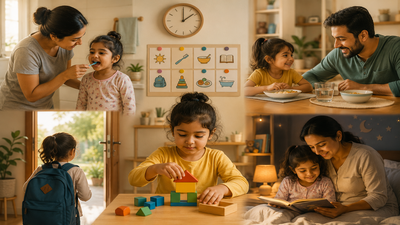
Young children may look like they thrive on spontaneity, but beneath the bursts of noise, movement, and curiosity, they are often looking for something far more grounding: predictability. A familiar bedtime, a regular mealtime, the same order of morning rituals, and clear expectations from adults do more than keep a household running smoothly. They give a child’s developing brain a sense of safety. That sense of safety is not a small thing. In early childhood, when emotions are still big and self-control is still under construction, routine becomes a kind of invisible scaffolding. It helps children understand what comes next, what is expected of them, and where the edges of the day begin and end. In a world that can feel overwhelming even in its simplest forms, structure becomes reassurance. Scroll down to read more…
A child’s brain likes predictability
For adults, routine often sounds boring. For children, it feels reassuring. The reason is simple: young children are still learning how to make sense of time, transitions, and cause-and-effect. They do not yet have the inner architecture to manage constant change with ease. When a day unfolds in a familiar rhythm, their brain does not have to spend so much energy decoding what is happening next.
This matters because young children are already processing a great deal. They are learning language, testing boundaries, reading facial expressions, and trying to understand their own emotions. When the outer world is predictable, it frees up mental space for that internal learning. A child who knows that breakfast comes after brushing teeth, or that stories follow bath time, is not just following a schedule. They are building a map of how the world works.
Structure reduces emotional chaos
Many child behavior issues are not really about defiance. They are often about overwhelm. A skipped nap, a rushed morning, a late meal, or an unannounced change in plans can leave a young child dysregulated in a matter of minutes. What looks like stubbornness may actually be exhaustion, confusion, or the inability to transition from one state to another.Routine helps soften those edges. When children know what to expect, they tend to feel less anxious and less reactive. They are not constantly bracing for surprise. That emotional steadiness can show up in small but meaningful ways: fewer meltdowns at bedtime, less resistance during morning prep, and more cooperation during everyday tasks.
This does not mean children need every hour to be rigidly scripted. In fact, the healthiest routines leave room for flexibility. But a basic structure gives children a secure frame, and that frame can make the whole day feel more manageable.
Routine teaches self-regulation
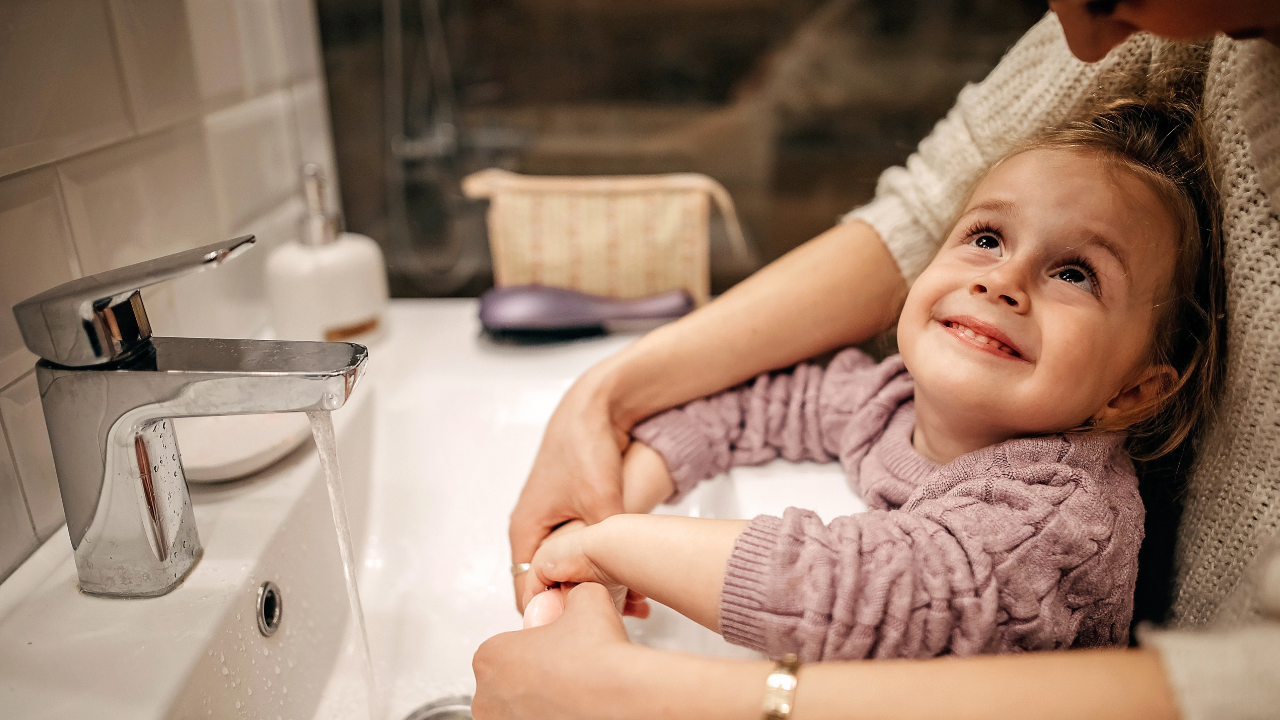
One of the most valuable gifts routine gives a child is practice in self-regulation. Every repeated habit, washing hands before meals, putting toys away before moving on, settling down for sleep at a certain time, teaches children to shift from one activity to another with less resistance. Over time, they begin to internalize these patterns.That matters because self-regulation is not something children are born knowing how to do. It develops slowly, with support. Routine helps by making healthy habits automatic. A child does not have to negotiate every step of the day from scratch. The predictability of the structure becomes a quiet teacher.This is especially important in the early years, when children are highly dependent on adult guidance. The routine does not simply organise the day; it teaches the child how to participate in it.
Structure creates space for independence
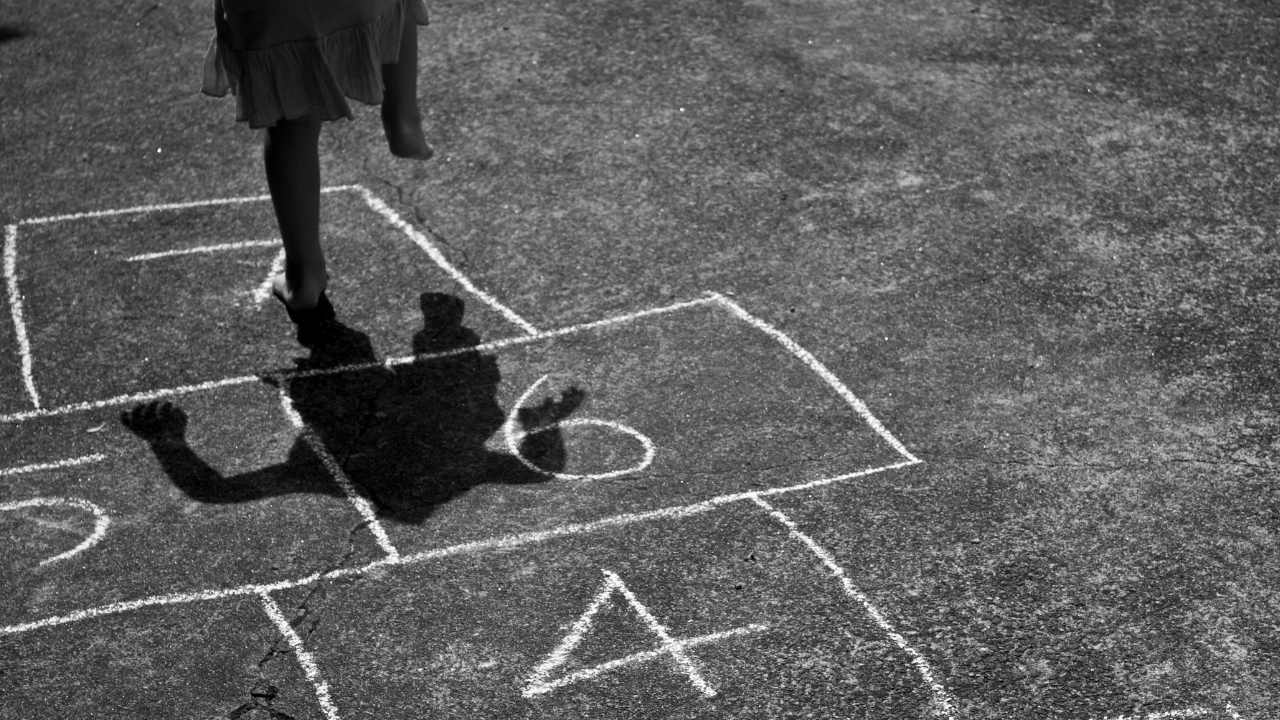
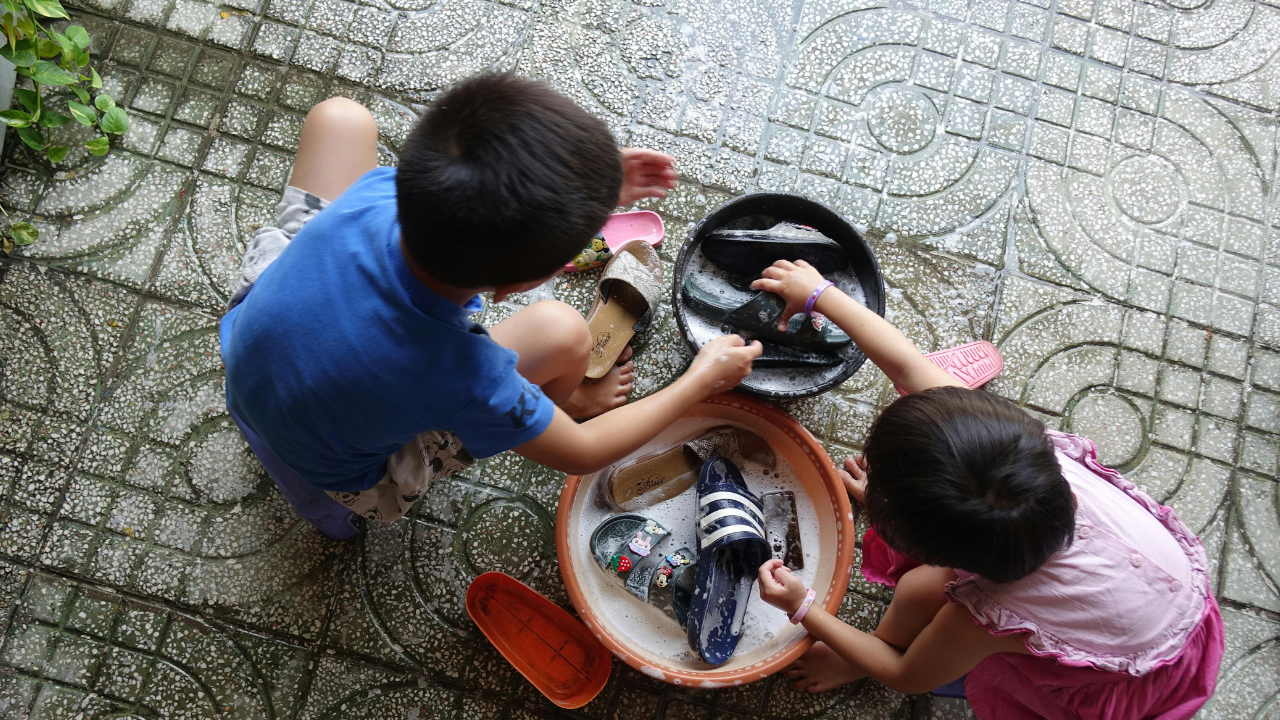
It may seem counterintuitive, but children often become more independent when their day is structured. That is because a stable routine reduces uncertainty. When children know what comes next, they can begin to take part in the sequence themselves. A toddler may learn to place shoes by the door after a walk. A preschooler may begin to put away art supplies before snack time. A young child who knows the rhythm of the day can start anticipating and owning parts of it.This is how structure becomes empowerment rather than control. It does not box children in. It gives them the confidence to move through the day with less hand-holding. The familiar pattern helps them succeed, and success builds independence.
Consistency also supports family connection
Routine is not only for children. It gives families a calmer way to live together. Regular mealtimes, bedtime rituals, and predictable transitions create moments of connection that repeat enough to become meaningful. A bedtime story, a song before sleep, or a short conversation after school may seem small, but in a young child’s life, those rituals often become the emotional glue that holds the day together.These repeated moments tell children something important: you are cared for, you are remembered, and your needs matter. In homes where life feels busy or unpredictable, such routines can become anchors.
The goal is not perfection
Of course, no family lives in perfect rhythm every day. Illness, travel, work schedules, and real life will always interrupt the ideal. The point of routine is not to create a flawless timetable. It is to offer enough steadiness that children feel held, even when the day does not go exactly as planned. The best routines are not harsh or mechanical. They are warm, consistent, and adaptable. They are the kind that allow room for childhood while still giving it shape.In the end, routine and structure matter because children do not only need freedom. They need a framework within which to grow. When the day has a familiar shape, young children are better able to explore, learn, regulate their emotions, and trust the world around them. That trust is the beginning of confidence.