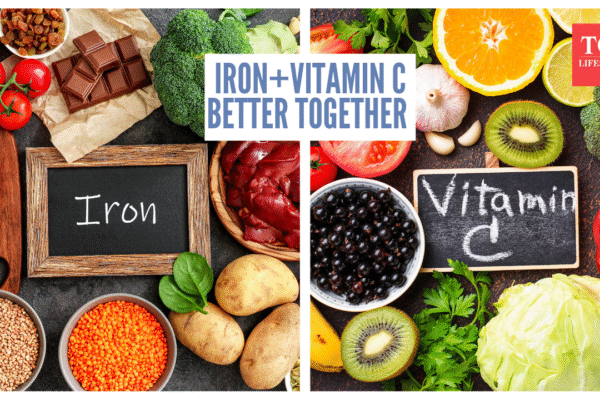


Iron is absorbed better when paired with vitamin C

Certain common habits can drastically reduce how much iron your body actually absorbs. Consuming plant-based staples like whole grains, legumes, and nuts introduces phytates, which bind iron and inhibit its uptake. Drinking tea or coffee with meals adds polyphenols that further block absorption, while calcium from dairy can compete with iron for uptake in the…

Read More

Lower your blood sugar in just 15 minutes a day without medication: Expert reveals this simple daily habit to manage diabetes |

Diabetes is an escalating global health concern, impacting millions across all ages. While medications are commonly prescribed to manage blood sugar, lifestyle habits can be equally, if not more, effective. Senior diabetologist Dr Brijmohan Arora from CMC Vellore emphasises walking as a simple, practical daily activity that can lower blood sugar in just 15 minutes….

Read More

Why your vitamin D might NOT be working: Foods, supplements, and medications that reduce absorption |

Vitamin D is central to many vital functions in the body. It strengthens bones, supports muscle performance, influences mood and contributes to a balanced immune system. Although many people take vitamin D daily, the way it is absorbed depends heavily on other foods and nutrients consumed around the same time. Several everyday foods and supplements…

Read More

Your daily bed-making habit might be harming you! Experts reveal why an unmade bed could be safer |

For many people, the day begins with the same familiar sequence. The duvet is pulled neatly into place, the pillows are arranged with care, and the perfectly made bed becomes a symbol of order and discipline. Across generations, this simple act has been encouraged as a marker of responsibility, productivity, and self-control. From military training…

Read More

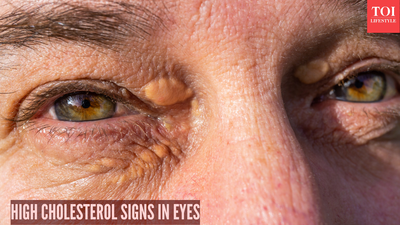
High Cholesterol Symptoms: High cholesterol in the eyes: 5 warning signs you need to look out for |

Hypercholesterolemia or high cholesterol is often asymptomatic until it has reached an advanced stage, but the typical ocular manifestations include xanthelasma and arcus corneae, which are considered early signs of dyslipidemia and correlate with increased cardiovascular risk. Their development is as a result of lipid deposits into ocular tissues; thus, ocular findings may warrant investigation…

Read More