

Hormuz crisis fallout: How Indian refiners are adjusting to new crude oil mix to maximise output
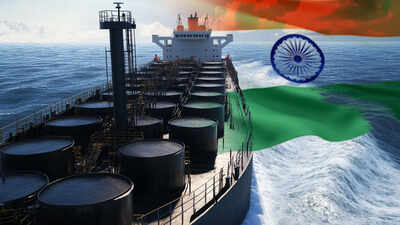
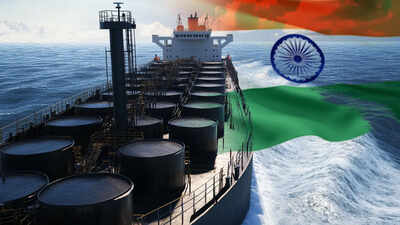
The Middle East conflict has complicated the refining calculations for Indian refiners – not just in terms of the amount of crude oil that is available, but also for the kind of crude that is available. Indian oil refiners are modifying operations to handle a wider range of complex crude grades and boost production of fuels that are currently in strong demand, as the Iran conflict and disruptions around the Strait of Hormuz force them to source crude from alternative suppliers.The ongoing geopolitical turmoil has affected supplies from several key oil-producing regions that traditionally cater to India, requiring refiners to process crude varieties that were not part of their usual feedstock mix, Ujjal K Mukherjee, Chief Technology Officer at Lummus Technology, a leading global provider of refining and petrochemical technologies told ET.India’s refining sector faced a similar adjustment after the Ukraine conflict began four years ago, when refiners sharply increased purchases of discounted Russian crude, moving beyond the crude basket many facilities had originally been designed to process.In such circumstances, technology providers like Lummus work closely with refiners to improve product yields, minimise operational challenges and enhance the flexibility of existing infrastructure.Mukherjee said refiners using Lummus technologies are showing growing interest in reconfiguring their crude intake and making better use of adaptable assets such as hydrocrackers. The objective is to optimize output and produce the fuels most sought after in the market, even when processing crude grades that are more difficult to handle than those envisaged during the original plant design stage.Mukherjee said Indian refiners are increasingly exploring opportunities beyond conventional refining, with growing interest in areas such as gas-to-chemicals and oil-to-chemicals projects, premium lubricant base oils, polypropylene, polyethylene and delayed coking facilities.A sizable portion of Lummus Technology’s business is tied to projects across the Gulf Cooperation Council (GCC) region, one of the areas most affected by the Iran conflict. Despite the geopolitical uncertainty, the company has not witnessed any major project cancellations or significant execution delays, according to Mukherjee.Instead, he noted a growing trend towards greater self-reliance within GCC nations. In Saudi Arabia, for instance, new opportunities have emerged around refinery upgrades and capacity expansion projects, particularly on the country’s western coast.According to Mukherjee, the conflict is likely to influence future decisions on both the nature and geographical location of energy projects. Countries whose export infrastructure is heavily dependent on the Strait of Hormuz — including Kuwait, Qatar and Iraq — may increasingly consider joint ventures and alternative project structures to secure more reliable routes for their energy products.The ongoing turmoil is also beginning to alter investment patterns across the region. Mukherjee observed that some GCC countries are redirecting capital away from overseas projects in Asia and placing greater emphasis on investments within their own borders.At the same time, damage to several key oil and gas installations during the conflict could create fresh opportunities once hostilities ease. He said reconstruction efforts, equipment replacement and repair work across affected energy assets may generate substantial business prospects for companies operating in the refining and petrochemical technology space.