


Middle East oil shock risks: How much do China, India, Japan depend on Middle Eastern crude, gas?
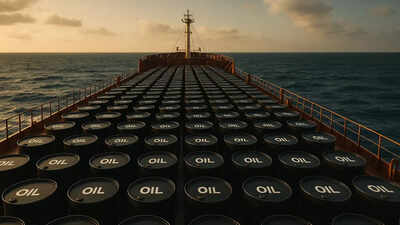
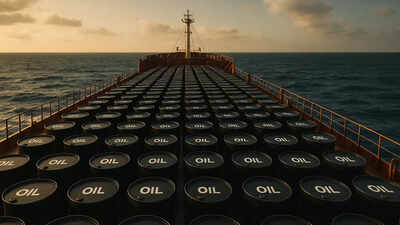
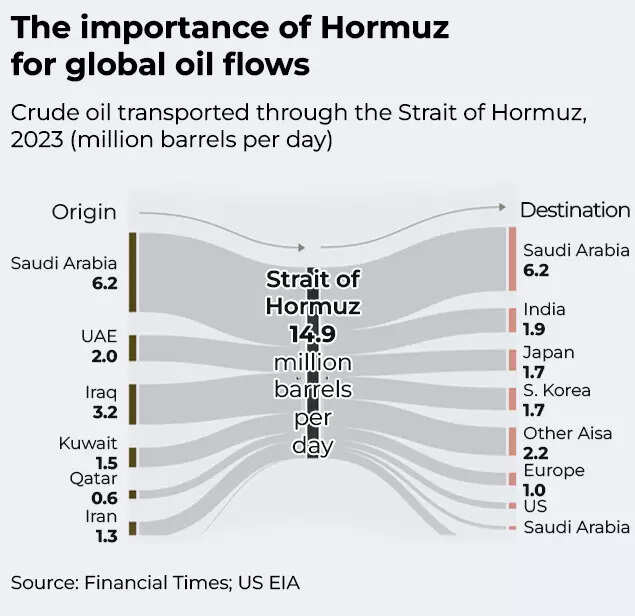
Middle East tensions due to the ongoing conflict of Israel and the US with Iran have raised fears of the Strait of Hormuz – a key maritime route being closed – threatening crude oil and LNG supplies for Asian countries including India and China. Asia relies heavily on energy supplies from the Middle East, leaving the region particularly exposed if the expanding conflict triggered by Israeli and US strikes on Iran results in sustained disruptions to oil and gas flows.
How much are China, Japan, India, and South Korea exposed to Middle East oil supply disruption risks? Where do their strategic oil reserves stand? Let’s take a look:
India’s Middle East Oil Dependency
In January, the proportion of Middle Eastern crude in India’s total oil imports climbed to 55%! This is the highest level since late 2022 – roughly translating into around 2.74 million barrels per day supply. The increase came as Indian refiners scaled back their purchases of Russian crude oil.Also Read | Middle East on the boil after Khamenei’s death: What does it mean for India’s trade, exports, crude oil & LPG supply?Last month, Oil Minister Hardeep Singh Puri said that India has sufficient storage capacity for crude and refined petroleum products, including stocks maintained by companies and those held in strategic reserves, to meet domestic demand for around 74 days.India ranks as the world’s fourth-largest importer of liquefied natural gas and sources nearly two-thirds of its LNG requirements from Qatar, the United Arab Emirates and Oman, according to data from Kpler.
China’s Middle East Oil Dependency
China is the largest importer of crude oil globally and the leading buyer of Iranian crude. However, substantial volumes of oil held in floating storage, along with sizable strategic reserves, help cushion the immediate risk of supply shortfalls.Approximately half of China’s total crude imports come from the Middle East. According to data from Kpler, the country imported an average of 1.38 million barrels per day of Iranian oil last year. This accounts for about 13% of its seaborne crude purchases. In addition, around 42 million barrels of Iranian crude were being stored aboard tankers in Asian waters toward the end of January.Over the years, China has steadily expanded its strategic petroleum reserves by constructing additional storage facilities and purchasing crude during periods of global oversupply. Although Beijing does not disclose official reserve figures, analysts estimate the stockpile at roughly 900 million barrels, which is equivalent to just under three months of import coverage.China also ranks as the world’s top importer of liquefied natural gas, with about one-third of those LNG shipments sourced from the Middle East.
Japan’s Middle East Oil Dependency
Japan gets nearly 95% of its crude oil imports from the Middle East, with roughly 70% of those shipments transiting the Strait of Hormuz. In January, Japan imported 2.8 million barrels per day of crude, including 1.6 million barrels per day from Saudi Arabia, along with additional supplies from the United Arab Emirates, Kuwait and Qatar.The country maintains emergency crude reserves sufficient to cover 254 days of consumption. As the world’s second-largest importer of liquefied natural gas, Japan sources about 40% of its LNG from Australia, amounting to 25.8 million metric tonnes last year. LNG shipments from Middle Eastern producers such as Qatar, Oman and the UAE accounted for 11% of total imports.Chief Cabinet Secretary Minoru Kihara said that Japanese firms currently hold LNG inventories equivalent to around three weeks of domestic demand. Japan also trades approximately 40 million tonnes of LNG annually and has the capacity to divert part of those volumes for domestic use during emergencies.Also Read | 1970s-style oil shock loading? Crude may hit $100 if Strait of Hormuz shuts amid Middle East tensions – what it means
South Korea’s Middle East Oil Dependency
South Korea depends almost entirely on imported energy and procures about 70% of its crude oil and 20% of its LNG from the Middle East, according to data from the Korea International Trade Association.In December, the country’s industry ministry announced that government strategic petroleum reserves had reached 100 million barrels, while the private sector holds an additional 95 million barrels. A government official said on Monday that combined reserves are adequate to meet around 208 days of consumption.On Sunday, the ministry indicated that if disruptions to Middle Eastern supplies continue, South Korea will look to secure additional energy volumes from alternative regions.